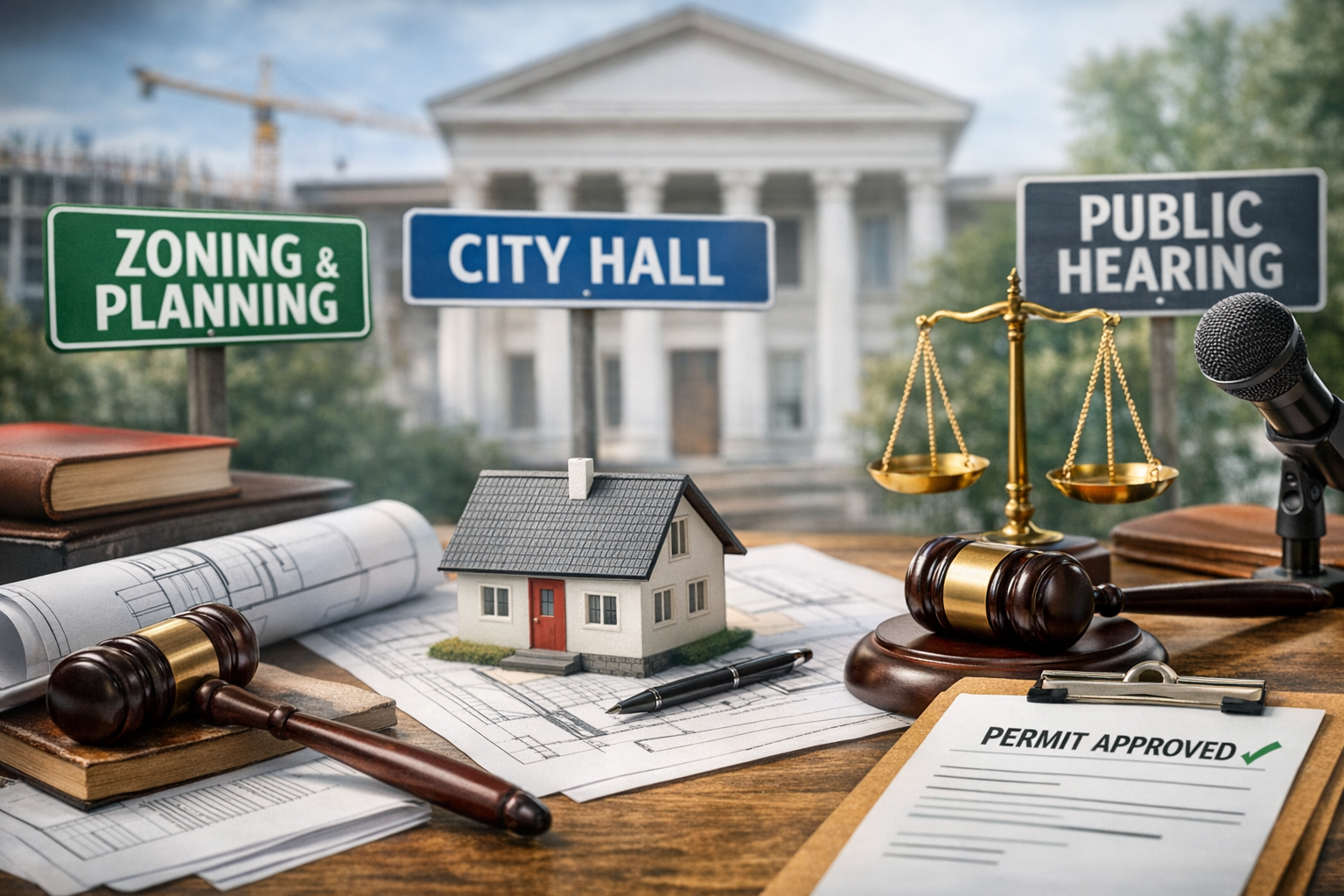
Local government law plays a major role in how property is used and how businesses operate. Many important decisions that affect daily life are made at the municipal level rather than in state or federal offices. Zoning rules, permits, licensing requirements, and local regulations shape what property owners can build, how businesses can expand, and how communities develop over time.
For property owners and business leaders, understanding how municipal decisions work can help avoid delays, unexpected costs, and legal disputes. While local government law can seem complex, knowing the basics makes it far easier to navigate.
What Is Local Government Law
Local government law governs how cities and towns create and enforce rules within their boundaries. These rules must follow state law but often add additional requirements that are specific to each community.
Municipal decisions are typically made by local boards and officials such as planning boards, zoning boards of appeal, conservation commissions, select boards, and city councils. Each of these bodies has authority over certain types of issues and projects.
Because these decisions are made locally, outcomes can vary widely from one town to the next even when properties or projects look similar.
Zoning and Land Use Decisions
Zoning is one of the most impactful areas of local government law. Zoning bylaws determine how property can be used and what can be built. They regulate building size, setbacks, parking, signage, and permitted uses.
For property owners, zoning determines whether a property can be used for residential, commercial, or industrial purposes. For businesses, zoning affects where operations can locate and whether expansion is possible.
When a project does not fit neatly within zoning rules, property owners may need special permits or variances. These requests are reviewed by local boards and often involve public hearings and community input.
Permits and Approvals
Many projects require municipal permits before work can begin. These may include building permits, site plan approvals, environmental permits, and occupancy permits.
Each permit has its own standards and review process. Missing a required permit or misunderstanding approval conditions can result in delays or enforcement actions.
Understanding which permits are required and in what order is essential for keeping projects on schedule.
Environmental and Conservation Oversight
Local governments often play a significant role in environmental protection. Conservation commissions oversee wetlands, floodplains, and other sensitive areas. Their decisions can limit how property is developed and what activities are allowed.
These rules are designed to balance development with environmental protection. However, they can be challenging for property owners who are unfamiliar with the process.
Early planning and clear documentation help reduce complications in environmental reviews.
Licensing and Business Regulation
Local governments regulate many aspects of business operations through licensing and permitting. This can include health permits, liquor licenses, signage approvals, and operational restrictions.
Licensing decisions can affect when a business opens, how it operates, and whether it can expand. Failing to comply with local requirements can result in fines or license suspension.
Businesses benefit from understanding local expectations and maintaining open communication with municipal officials.
Public Hearings and Community Input
Many municipal decisions involve public hearings. These hearings allow community members to express support or concern about a project.
While public opposition does not automatically result in denial, it can influence board decisions. Boards often consider how a project fits within the character of the neighborhood and the broader community.
Property owners and businesses who engage respectfully with neighbors and address concerns early often experience smoother approval processes.
Enforcement and Compliance
Local governments enforce zoning and regulatory rules through inspections, notices of violation, and fines. Enforcement actions can require property owners or businesses to correct violations or stop certain activities.
Compliance issues often arise when property use changes or when new regulations are adopted. Addressing enforcement issues promptly helps prevent escalation and protects long-term interests.
Appeals and Legal Challenges
When municipal decisions negatively affect a property owner or business, there may be appeal rights. Appeals typically focus on whether the decision followed the law and proper procedures.
Appeal deadlines are strict and missing them can eliminate options. Deciding whether to appeal or revise a project requires careful analysis.
Experienced legal guidance is especially important when navigating appeals and enforcement matters.
Why Local Experience Matters
Local government law is shaped by local practices and priorities. Understanding how a specific municipality operates can make a meaningful difference.
Attorneys who regularly work with local boards and officials understand procedural expectations and common concerns. This knowledge helps clients avoid unnecessary delays and better position their applications.
Firms like Coogan Smith LLP have long represented property owners and businesses in municipal matters throughout Southern New England. Their experience with local government law allows them to provide practical guidance grounded in real-world decision-making.
How Municipal Decisions Affect Long-Term Planning
Municipal decisions do not just affect individual projects. They shape long-term property value, business growth, and community development.
A zoning change can increase or decrease property value. Permit conditions can affect operating costs. Enforcement actions can impact business continuity.
Understanding these implications helps property owners and businesses plan more effectively.
Working Proactively With Municipalities
Many challenges in local government law can be avoided through early engagement. Meeting with municipal staff, understanding local bylaws, and seeking guidance before submitting applications often leads to better outcomes.
A proactive approach reduces surprises and builds credibility with decision-makers.
Community Breeds Possibility
Local government law has a direct and lasting impact on property owners and businesses. Zoning, permitting, licensing, and enforcement decisions shape what is possible within a community.
Understanding how municipal decisions are made helps individuals and businesses navigate the process with confidence. With preparation, clear communication, and respect for local procedures, many challenges can be managed effectively.
Firms like Coogan Smith LLP demonstrate how experience in municipal law and local government processes can help clients address issues efficiently and protect their interests. When local government law is understood and approached thoughtfully, it becomes a manageable part of property ownership and business success rather than an unexpected obstacle.